Fact sheets
This page publishes the fact sheets that focus on main trends, strengths and challenges of the following commodities: cocoa, coffee, cotton, dairy, fishery, and horticulture, highlighting efforts made so far to set up inclusive business models and to scale them up.
The fact sheets are guided by the following questions:
- Main highlights of cocoa production, trade and consumption: Which are the potentials and challenges of the sector?
- How is inclusiveness tackled? Which approaches and models are demonstrating (elements of) success? What are key incentives in the approaches that drive that success?
- What is the scale of impact that is being achieved, how does that compare with what is needed, where could it go?
- What are the roles and responsibilities of business, government, civil society and knowledge institutions in the scaling efforts?
- What are the constraints and opportunities to further up-scaling?

- April 6, 2012

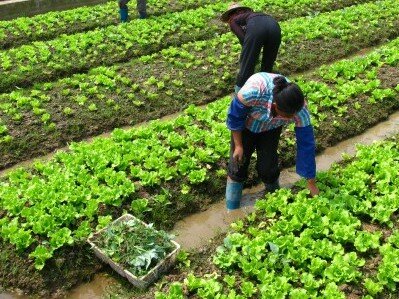
- Vegetable crops, including root and tuber crops, are the second most important group of crops produced worldwide, after cereals. In some countries agriculture-growth potential is more strongly linked with diversification into..
- April 6, 2012

– The supply of fish and shellfish caught from seas and inland waters will not increase. The growing demand for fish and other seafood can only be met with increased production of farmed fish and other aquatic animals. With an..
- March 30, 2012

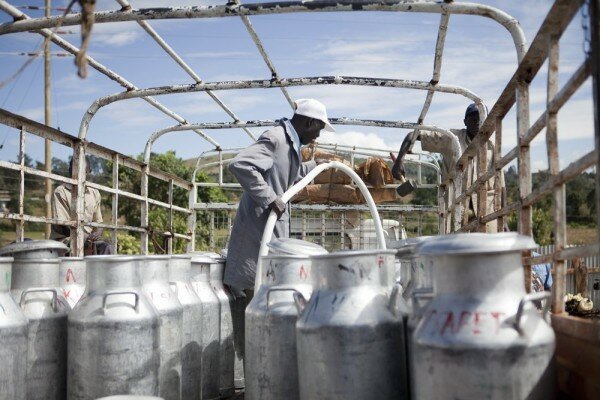
- The feed prices for livestock have increased by 156% over the past six years. In the meantime, small dairy cooperatives are growing rapidly in Africa, Latin America and Eastern Europe, and worldwide per capital milk consumption grew...
- February 28, 2012

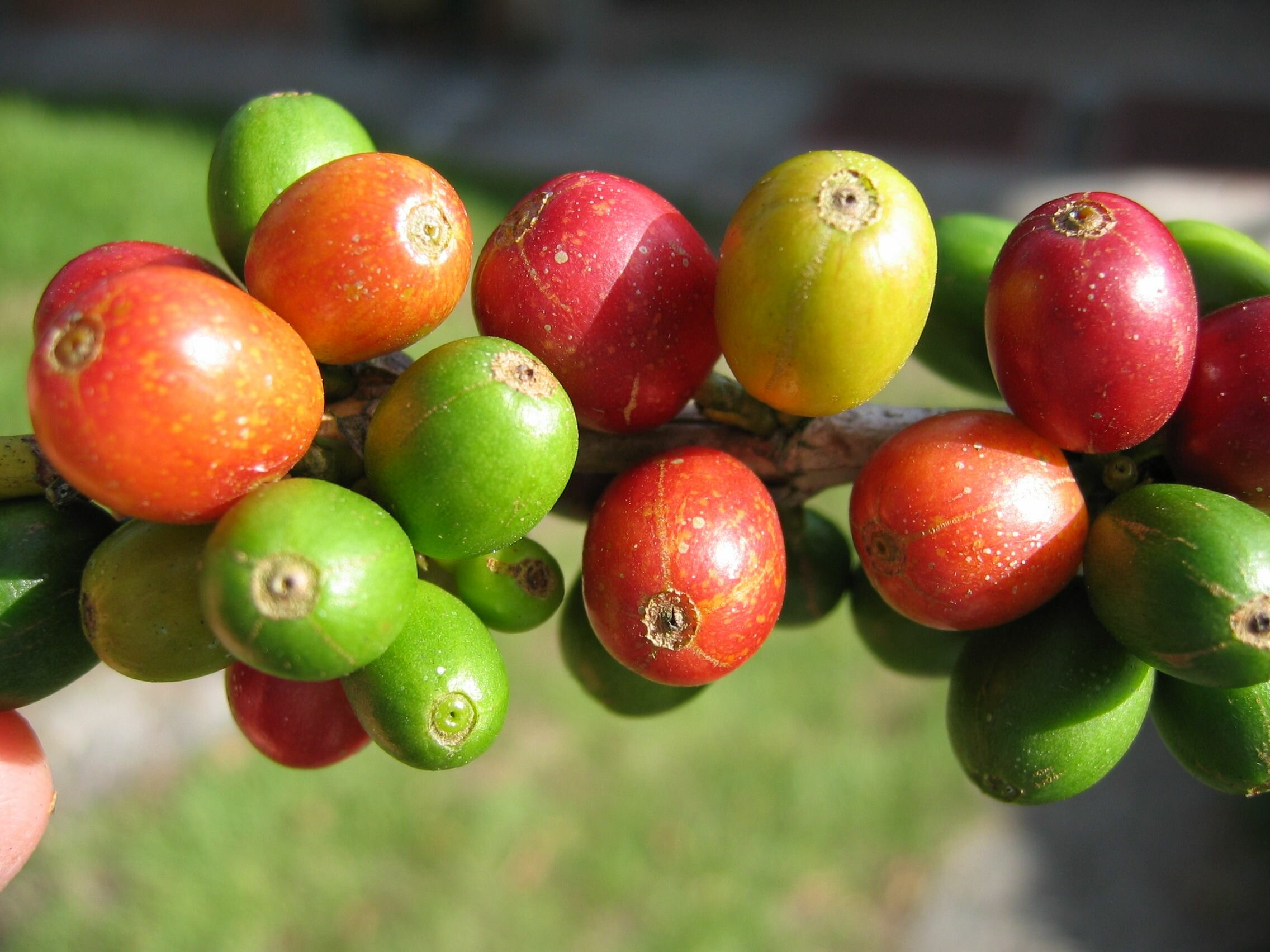
Coffee fact sheet - Coffee ranks high among the most important agricultural commodities traded in international markets, in terms of both volume and value. A vast majority of the world’s 25 million coffee producers are smallholder..
- February 23, 2012

– The cocoa world market is dominated by Ivory Coast and Ghana. Over 90 per cent of the world’s cocoa is grown on 5.5 million small farms, characterized by low levels of organization in cooperatives, lack of infrastructure and..
- Vegetable crops, including root and tuber crops, are the second most important group of crops produced worldwide, after cereals. In some countries agriculture-growth potential is more strongly linked with diversification into high-value horticulture..
– The supply of fish and shellfish caught from seas and inland waters will not increase. The growing demand for fish and other seafood can only be met with increased production of farmed fish and other aquatic animals. With an average growth of 6.6%..
- The feed prices for livestock have increased by 156% over the past six years. In the meantime, small dairy cooperatives are growing rapidly in Africa, Latin America and Eastern Europe, and worldwide per capital milk consumption grew. In general, up..
Coffee fact sheet - Coffee ranks high among the most important agricultural commodities traded in international markets, in terms of both volume and value. A vast majority of the world’s 25 million coffee producers are smallholder farmers, who are..
– The cocoa world market is dominated by Ivory Coast and Ghana. Over 90 per cent of the world’s cocoa is grown on 5.5 million small farms, characterized by low levels of organization in cooperatives, lack of infrastructure and finance inputs. The..