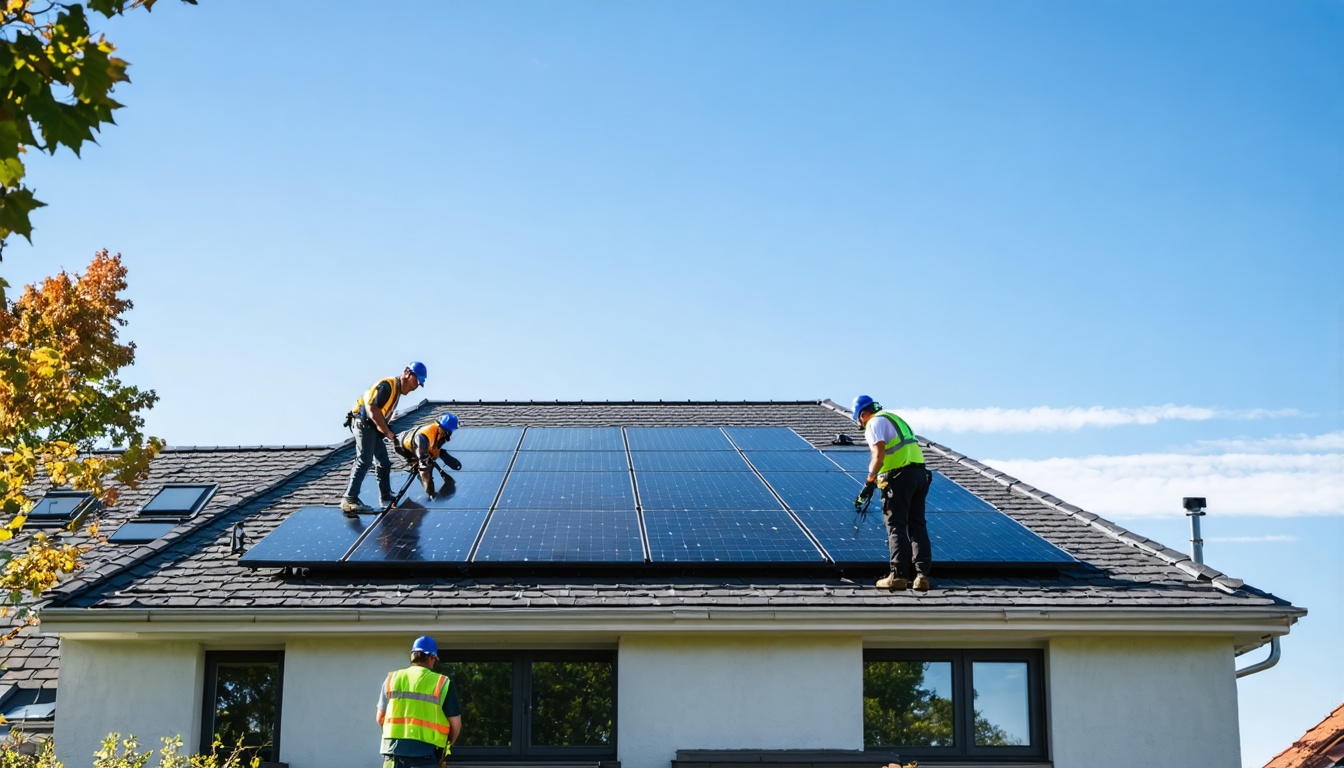
Solar Ready Roof Upgrades That Matter for Homes in the United States
If you are considering the installation of solar panels on your home, preparing your roof in advance can facilitate a more efficient and cost-effective process. Upgrading to a solar-ready roof can provide potential energy savings, eligibility for tax incentives, and an increase in property value. However, it is important to recognize that not all roofs possess the necessary characteristics for solar panel installation, and specific features along with appropriate planning can significantly influence the installation process. Key considerations for a solar-ready roof include roof condition, orientation, slope, and material. A roof in good repair without significant damage is essential, as any pre-existing issues could complicate or delay installation. The orientation and slope of the roof are critical as well; roofs that face south usually receive the most sunlight throughout the day, making them ideal for solar panel placement. Additionally, the pitch of the roof can affect the efficiency of solar panels; a slope between 30 and 45 degrees is generally considered optimal. Furthermore, the roofing material may also play a role in the suitability for solar panel installation. Asphalt shingles, metal roofing, and tile are commonly compatible materials, while others may require additional considerations. In conclusion, ensuring that your roof is solar ready involves multiple factors that must be taken into account to maximize efficiency and effectiveness upon installation. By addressing these considerations early on, homeowners can minimize potential challenges and enhance the overall viability of solar energy utilization in their homes.
Importance of Preparing Your Roof for Solar Energy
Preparing a roof for solar energy installation is an essential consideration for homeowners. By ensuring that a roof is designed to be Solar Ready, homeowners can reduce both costs and complications associated with the installation of solar panels. A roof tailored for future solar panel placement allows for efficient installations and upgrades, better aligning with long-term energy requirements.
During the building design phase, incorporating provisions for photovoltaic (PV) component placement can enhance energy production capabilities. This strategy not only improves the efficiency of solar energy systems but may also increase property value over time. National and international standards, including guidelines from organizations like the National Renewable Energy Laboratory (NREL), provide valuable frameworks for best practices in this area.
Additionally, solar-ready homes promote the adoption of renewable energy and can lead to lower electricity expenses. By proactively addressing potential retrofitting challenges during the initial planning stages, homeowners can minimize unforeseen costs and logistical issues that may arise later.
In summary, careful preparation and planning regarding a roof's compatibility with solar energy systems are significant for the effective and practical implementation of solar technology.
Key Design Considerations for Solar Ready Roofs
Designing a solar-ready roof necessitates careful evaluation of various critical factors, including slope, orientation, and structural integrity.
It is important to thoroughly assess both national and local building codes to ensure compliance, as adherence to these regulations can mitigate potential permitting issues that may lead to delays when upgrading for solar panel installation.
Additionally, assessing the potential shading from adjacent trees or nearby structures is vital, since such shading can greatly diminish the efficiency of photovoltaic (PV) panels in harnessing solar energy.
Early identification and marking of viable installation sites for solar panels during the design phase can streamline collaboration among community stakeholders and industry professionals.
Furthermore, consulting guidelines from the U.S. Department of Energy's National Renewable Energy Laboratory (NREL) and relevant international organizations can provide evidence-based benchmarks to assist homeowners and builders in fulfilling energy requirements.
Implementing these standards can contribute to improved energy efficiency and may result in reduced electricity costs over time.
Wiring Requirements for Future Solar Installations
Preparing your roof for solar installation requires a methodical approach to planning the electrical systems involved. A key aspect of this process is the installation of dedicated circuits, alongside proper conductor sizing for future photovoltaic (PV) panels, in accordance with applicable national and local building codes. Upgrading the infrastructure to include conduits specifically designed for future panel installations can lead to reductions in both material and labor costs.
Additionally, it is important to evaluate the capacity of your service panel. Ensuring that it can meet both current and projected energy demands is vital for energy efficiency and overall customer satisfaction.
Consulting with professionals and referring to authoritative sources, such as the National Renewable Energy Laboratory (NREL), can offer important insights into current industry practices, technological developments, and relevant events in the Solar Energy Resource sector.
A well-structured wiring infrastructure is essential not only for the successful integration of renewable energy systems but also plays a significant role in efforts aimed at lowering electricity costs and promoting sustainable practices within the community.
Structural Assessments and Roof Reinforcement
Structural integrity is an important consideration in the feasibility of solar panel installations. A comprehensive structural assessment is necessary prior to the installation of photovoltaic (PV) panels to evaluate whether the existing roof can support the additional weight. This evaluation should comply with both national and local building codes, which are established to ensure safety and structural stability.
In instances where the assessment reveals potential weaknesses, it may be necessary to reinforce certain structural components, such as rafters or trusses. Such reinforcements are crucial to ensure that the roof can withstand the ongoing demands associated with renewable energy technologies.
In the context of the U.S. housing market, addressing structural integrity can enhance energy efficiency and also improve customer satisfaction. Additionally, proper structural support may lead to reduced maintenance costs over time.
Following established guidelines from reputable organizations like the National Renewable Energy Laboratory (NREL) and complying with international association standards enables stakeholders to make informed decisions that aid the transition to renewable energy. This structured approach not only facilitates effective energy production but can also contribute to lower long-term electricity bills for homeowners.
Environmental and Financial Benefits of Solar Ready Upgrades
Solar-ready roof upgrades are designed to streamline the installation of photovoltaic (PV) panels, which can lead to considerable financial savings. Implementing these upgrades during the construction phase can lower installation costs by approximately 60% when compared to retrofitting existing buildings. This method complies with both national and state building codes and contributes to the objectives of the Renewable Energy sector.
These upgrades enhance the roof's structural integrity, thus allowing for a more efficient mounting of solar panels. This improved efficiency can lead to reduced electricity costs and meets the energy needs of the property more effectively. Additionally, solar-ready roofs are linked to improved energy performance, which can also elevate property values.
Beyond the individual financial benefits to property owners, solar-ready upgrades contribute to community efforts aimed at sustainability.
Evidence from institutions such as the National Renewable Energy Laboratory (NREL) highlights the importance of these initiatives on both local and global scales. By adopting solar-ready designs, communities can mitigate environmental impacts while also addressing the preferences of customers and residents.
Services Offered by Manhattan Roofing for Solar Preparation
Manhattan Roofing offers a structured approach to solar preparation, focusing on the necessary requirements for the installation of photovoltaic (PV) panels. Their process starts with comprehensive roof assessments to detect potential issues that could affect the feasibility of solar upgrades.
To facilitate solar panel installation, Manhattan Roofing provides roof reinforcement services, employing materials that meet state and national standards. These reinforcements not only bolster the roof's structural integrity but may also enhance energy efficiency, potentially lowering electricity costs for homeowners in the long term.
The company adheres to guidelines from industry associations and the National Renewable Energy Laboratory (NREL), ensuring that their practices comply with established standards.
Their solutions are designed to meet both local and international criteria, utilizing scientifically grounded design principles to support sustainable energy adoption. This methodical approach aims to prepare residences for the integration of solar energy systems, thereby advancing the shift toward renewable energy sources.
Consultation and Support Process for Homeowners
Assessing the suitability of a roof for a solar upgrade necessitates a careful examination of its structural integrity. Manhattan Roofing offers a complimentary consultation service to homeowners, where the current condition of the roof is evaluated. This assessment identifies any underlying issues that may need to be addressed prior to installing solar panels. It is essential to ensure that the roof design can support photovoltaic (PV) panels, compliant with relevant national and state building codes.
The primary objective of these upgrades is to improve energy efficiency and facilitate the adoption of renewable energy systems. Customer satisfaction is a significant consideration throughout the process, and the company maintains a transparent pricing structure, allowing homeowners to budget effectively for their projects.
During the installation phase of solar panels, homeowners can expect assistance from local industry experts. These professionals rely on data and insights provided by established organizations, such as the National Renewable Energy Laboratory (NREL), to guide their practices.
This reliance on research and data aims to deliver reliable information to homeowners throughout the installation process.
Conclusion
Preparing your roof for solar energy can enhance your home’s functionality and potentially increase its resale value. Key considerations include the design, wiring, and structural integrity of your roof, which are essential for ensuring efficient solar installation. Proper preparation can lead to energy savings and access to various incentives available for solar energy systems. Working with a qualified provider, such as Manhattan Roofing, can provide valuable support throughout the planning and installation process. This strategic approach facilitates a smoother transition to solar energy, addressing both immediate needs and long-term sustainability. Overall, a well-prepared roof not only maximizes the potential benefits of solar energy but also aligns with broader energy efficiency goals.